How to Prevent Dental Disease in Cats
Dental disease is one of the most common health issues affecting cats, with studies suggesting that a significant percentage of felines over three years old exhibit some form of periodontal disease. This condition can lead to pain, tooth loss, and even systemic health problems if bacteria enter the bloodstream. Understanding how to prevent dental disease is essential for any cat owner, as it directly impacts the overall well-being and quality of life of their feline companions. This article explores practical strategies, focusing on regular brushing techniques and the role of dental treats in managing tartar buildup.
Preventive dental care is not just about maintaining fresh breath; it is a fundamental aspect of responsible pet ownership. By incorporating a consistent oral hygiene routine, cat owners can significantly reduce the risk of gingivitis, periodontitis, and other dental ailments. Moreover, early intervention and routine professional cleanings are crucial, but daily home care forms the foundation of prevention. This article provides a comprehensive guide to implementing effective dental care practices at home, ensuring that cats maintain healthy teeth and gums throughout their lives.
Understanding Feline Dental Health
Feline dental health encompasses the condition of the teeth, gums, and surrounding oral structures. Plaque, a sticky film of bacteria, constantly forms on teeth. When plaque is not removed regularly, it mineralizes into tartar (calculus), which adheres firmly to the enamel and can extend below the gumline. Tartar buildup irritates the gums, leading to inflammation (gingivitis) and, if left untreated, can progress to periodontitis, a serious infection that damages the tissues and bone supporting the teeth.
Several factors contribute to dental disease in cats, including age, genetics, diet, and oral hygiene habits. Certain breeds, such as Persians and Siamese, may be predisposed to dental issues. Additionally, cats that consume primarily soft food may experience more plaque accumulation compared to those eating dry kibble, though dry food alone is not sufficient for cleaning. Regular veterinary check-ups are essential for early detection, as cats often hide signs of oral pain. By understanding the underlying causes, owners can take proactive steps to mitigate risks.
Brushing Techniques for Cats
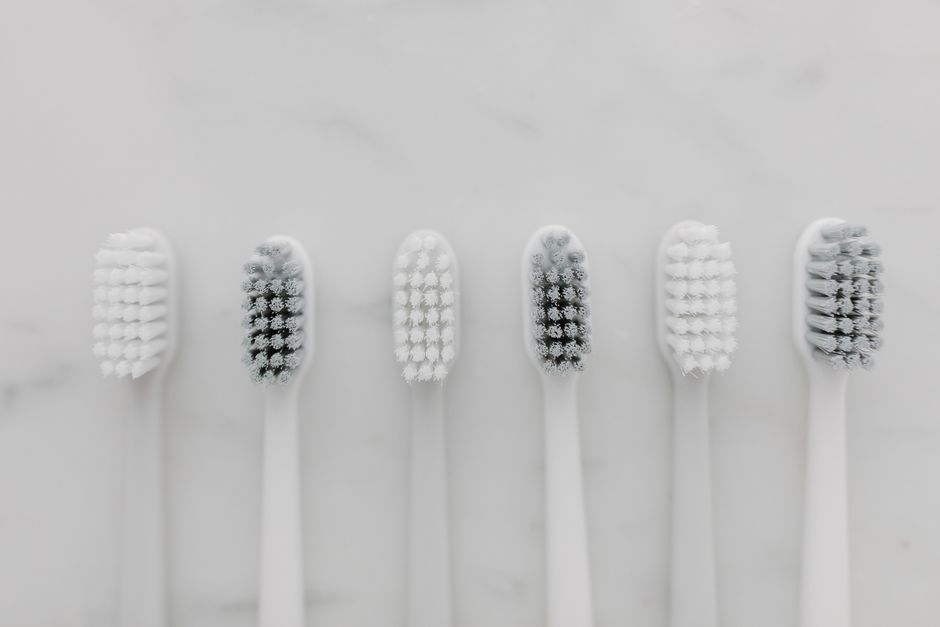
Brushing is widely regarded as the gold standard for preventing dental disease in cats. It mechanically removes plaque before it hardens into tartar, and it also stimulates gum health. However, introducing brushing requires patience and positive reinforcement. The goal is to make the experience as stress-free as possible for both the cat and the owner. Start by selecting a suitable toothbrush and toothpaste specifically designed for felines; human toothpaste can be toxic due to ingredients like xylitol and fluoride.
To begin, let the cat become accustomed to the taste of the toothpaste by offering a small amount on a finger or a treat. Gradually introduce the toothbrush, allowing the cat to sniff and lick it. Once the cat is comfortable, gently lift the lips and brush in small circular motions, focusing on the gumline where plaque accumulates. Use a soft-bristled brush or a finger brush for easier access. It is advisable to brush for about 30 seconds per side, ideally daily, but even a few times a week can be beneficial.
Consistency is key, and creating a routine can help. Choose a quiet time when the cat is relaxed, and end each session with praise or a treat. If the cat shows resistance, do not force it; instead, try alternative approaches such as dental wipes or oral rinses. Professional veterinary guidance can also provide tailored recommendations. Remember, brushing is a skill that improves with practice, and many cats eventually tolerate or even enjoy the process when it is paired with positive experiences.
The Role of Dental Treats and Chews
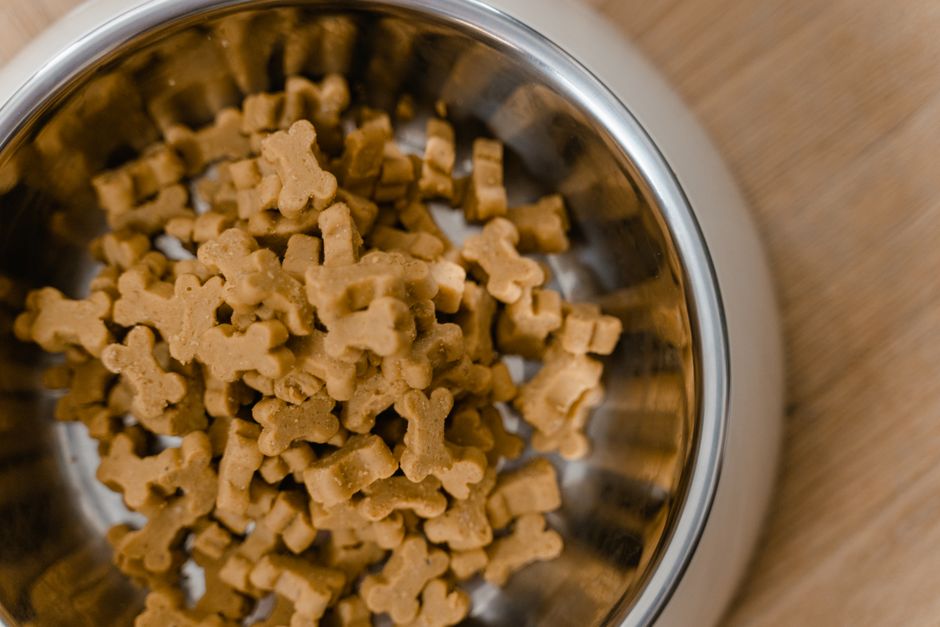
Dental treats and chews serve as complementary tools in the prevention of tartar buildup. They are designed to reduce plaque and tartar through mechanical abrasion and sometimes contain enzymes that help break down bacteria. While they cannot replace brushing, they can be a valuable addition to a cat’s oral care routine, especially for cats that are difficult to brush.
When selecting dental treats, it is important to look for products with the Veterinary Oral Health Council (VOHC) seal of approval, as this indicates that the product has met standards for effectiveness in reducing plaque or tartar. Many treats are formulated with a texture that encourages chewing, which can help scrape away soft deposits. Additionally, some include ingredients like chlorhexidine or zinc to fight bacteria. However, owners should consider the caloric content and ingredient quality to avoid unnecessary weight gain or allergic reactions.
Integrating treats into the routine should be done thoughtfully. Offer them as part of a reward system or as a standalone snack, but always supervise to ensure safety. It is also vital to understand that treats are not a substitute for professional dental care. Regular veterinary cleanings under anesthesia are often necessary to address deep tartar and subgingival disease. For cats with existing dental issues, a veterinarian may recommend specific dietary options or prescription dental diets that are formulated to promote oral health. Ultimately, a combination of brushing, treats, diet, and professional oversight provides the best defense against dental disease.
Building a Comprehensive Dental Care Routine
Preventing dental disease requires a multifaceted approach that goes beyond occasional brushing. A comprehensive routine includes daily or weekly brushing, appropriate dental treats, a balanced diet, and regular veterinary examinations. Owners can also use water additives and oral gels to enhance oral hygiene, though these should be selected based on veterinary advice. The key is to establish a schedule that fits the cat’s temperament and the owner’s lifestyle, ensuring consistency and long-term commitment.
Environmental enrichment can also play a role. Encouraging chewing on safe toys, such as dental-specific rubber toys or even certain types of cat grass, can help reduce plaque accumulation. However, owners must avoid giving bones or hard objects that can fracture teeth. Regular check-ups, ideally every six to twelve months, allow veterinarians to assess oral health and perform professional cleanings when needed. They can also identify early signs of disease that may not be visible to the untrained eye.
As a responsible pet owner, staying informed about feline dental health and proactive in implementing preventive measures is essential. The effort invested in daily care pays off in the form of a healthier, happier cat. While no single method is completely effective, a combination of techniques tailored to the individual cat offers the best chance of preventing dental disease. Remember that consistent care and early intervention are more effective than treating established dental problems.
Preventive dental care is a continuous process that requires dedication and understanding. By integrating regular brushing and dental treats into routine care, owners can help maintain their cat’s oral health and overall well-being.
In conclusion, dental disease in cats is largely preventable through diligent home care and professional oversight. Brushing remains the most effective technique, while dental treats and chews provide additional support in controlling tartar. Building a comprehensive dental care routine involves patience, education, and collaboration with a veterinarian. By prioritizing oral hygiene, cat owners can significantly improve their pets’ quality of life and reduce the risk of serious health complications. Start today by consulting your veterinarian about the best dental care plan for your feline companion, and commit to regular practice for lasting benefits.